Pipework
I had started to attend a local Catholic preparatory school, denizened by children of the local farmers and gentry. How was it being paid for? It must have been Dad, but I had the privilege of a middle class childhood: the pipework was hidden.
The school was fifteen miles away. Every morning I would walk with Mum up the lane to the junction with the B road. There we’d wait in a hut until another family came by to pick me up in their car.
The lane was steep and green. In spring, the May would be out along the verges. Mum told me it was also called Queen Anne’s Lace. She knew the English names of all the flowers: she had learned them as a child. I only managed to pick up the basics. Snowdrops, primroses, daffodils, bluebells, foxgloves, buttercups and honeysuckle were easy. More advanced were Herb Robert, pink campion, speedwell, milkwort, forget-me-not, lords and ladies (the purple stalk was a phallic symbol), and bishop fourface. It became a running joke between us that I couldn’t tell a buttercup from a celandine.
Birds were the same. Eventually, I could tell a great tit from a bluetit and a blackbird from a thrush. But I never really learned to recognize their songs, beyond the blackbird’s liquid sound and the little-bit-of-bread-and-no-cheese of the yellowhammer. (My choir once sang a carol which used this motif in the accompaniment. I could never hold my note beyond that point.)
Mum had grown up in a village in Derbyshire, where the fields were still ploughed with horses and the hay was cut by men who drank ginger beer to keep them cool. She was truly from the country. Now the Stone House was like that too. In the garden there were apple trees (two eaters, a cooker and a cider apple), plums (a greengage and a Victoria and a damson), raspberries, gooseberries and brambles. There were two rose trees which I called the rose of the morning and the rose of the evening. On the right hand side was an area of tall trees, called Shady Grove. At the bottom I had a tree house, which was really just some bits of wood nailed up and a rope. “This was where we were going to retire to,” she said one day as we walked around Shady Grove.
The garden was an acre. Dad had used to mow it, cursing at the big heavy petrol-driven lawnmower which took a man’s pull to start. Now the grasses started to grow. Mum put up a little fence and the top third was kept trim. Below the fence, the grasses and cow parsley were taller than me. At the front of the house, ground elder ran wild. In the summer I would spend days pulling it up by the roots, following their threads through the soil. No matter how much you pulled, there was always more, and next year it would always come back.
In the barn, there was an old scythe. I sharpened it and scythed the tall grass. There was much more than even a man could have done, I suppose. I was cutting trails through it. But it was calming to feel the scythe go whoosh in my hands and the cut sheaves of grass fall over the blade.
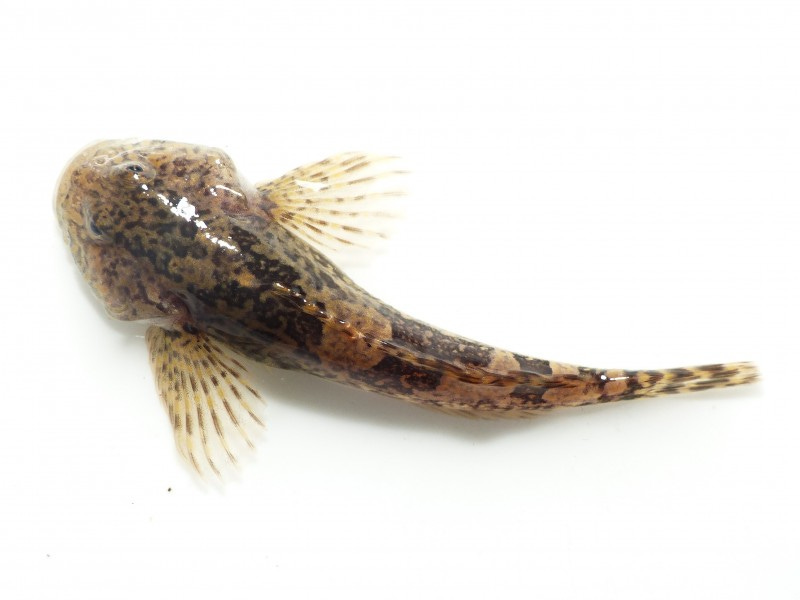
Mum gathered animals at this point. There was Sam the dog. His nephew Ted joined him and was my dog. There was a cat who had grown up wild in the barn of a friend of mine who lived on a pig farm. There were first three, then nine ducks and three geese. These lived in the barn and laid very dirty eggs there which they then forgot, lacking the common sense of a hen. Gradually they were whittled down to three ducks again, and two geese, by the foxes. There was a tortoise who one day struck out through the fence for freedom and was not seen again. There were bullheads which I caught with my hands and which lived a curtailed existence in jam jars with bits of weed. One summer the dogs decided that it was trendy to catch hedgehogs in the hedges. The hedgehogs sometimes died of fright and the dogs usually caught fleas. But one hedgehog came back with us, survived, and thereafter lived a privileged existence in the kitchen, where the dogs were not allowed. He trundled out to eat dog food, and hibernated in a box with straw in the winter. After a year or two Mum cleaned out behind the Calor Gas canister under the cooker, where he hung out. The smell of concentrated ammonia was the strongest and nastiest I have ever smelt.
Every night after school, the same family would drop me off at the top of the lane, and we would walk back down. In winter it would already be dark with the stars out. We would see the Plough, Orion, Cassiopeia and Betelgeuse, with the dogs walking beside us.